RCK drive system from PFERD TOOLS boosts productivity and economic efficiency
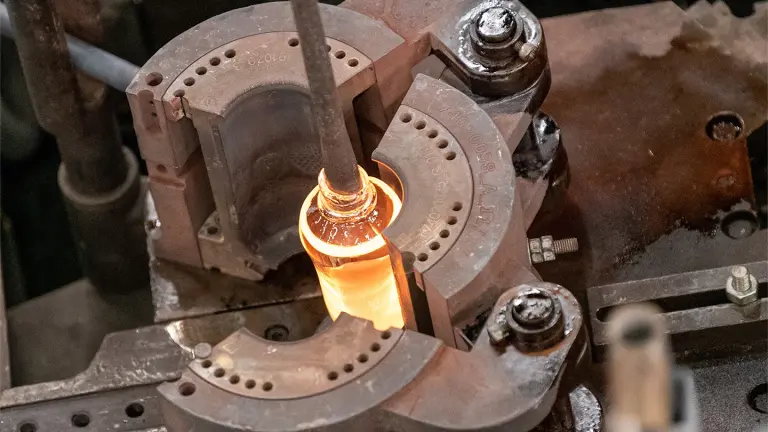
Moulds for glass bottles are subjected to high loads during the production process. Residue and adhesions are unavoidable and compromise the quality of the glass products produced later down the line. Engravings, manufacturer information and production codes must also remain neat and clearly identifiable at all times. For the users, this means that the moulds often need to be replaced. Yet it is cheaper, faster and more sustainable to rework them instead.
Reworking is difficult in practice
However, with two-part moulds in particular it soon becomes clear just how challenging this is to do in practice. The mould must not be damaged when the residue is removed. The surfaces must also be reworked in such a way that all details are retained.
High requirements in terms of precision and efficiency
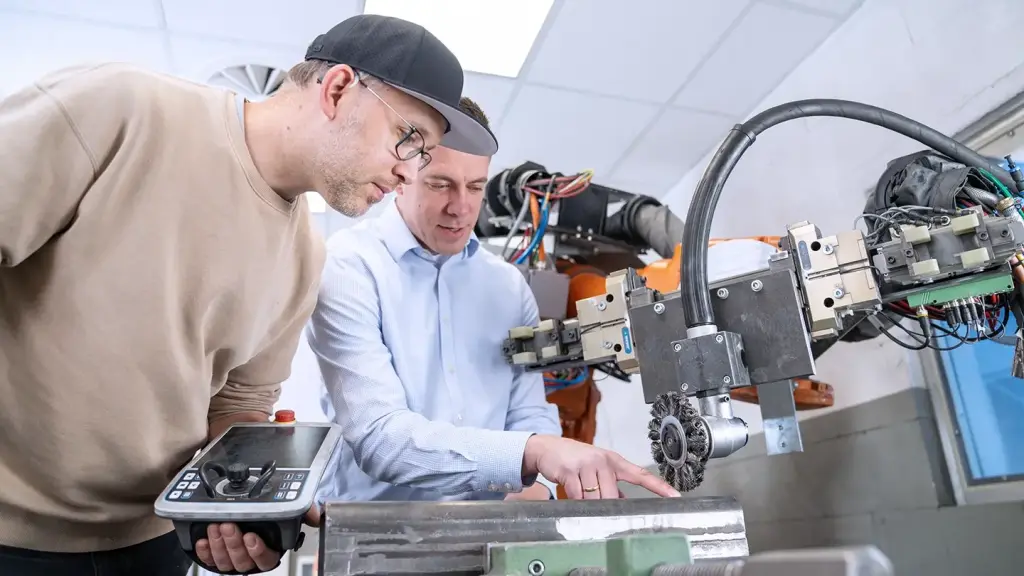
Given the high requirements and the amount of work involved, users often decide to replace the mould instead of repairing or refurbishing it. With its new RCK drive system, PFERD TOOLS – the Marienheide-based specialist for work on surfaces – is now presenting a solution that enables moulds for glass bottles to be reworked and repaired cost-effectively. The system consists of a mobile control device and various handpieces designed for many different applications and tool types.
Constant rotational speed for controlled processes
Using the right rotational speed is essential for cost-effective reworking. The RCK drive system offers a stepless rotational speed range from 0 to 80,000 RPM and keeps the speed constant, even under load, meaning the tools always work in the optimum power range. As a result, machining processes can be controlled and reproduced. There is less wear and the tool life and, therefore, durability both increase. This enables users to repair moulds for glass bottles cost-effectively instead of buying expensive replacements.